A daily progress report describes what happened on site. A building model describes the elements being built. In a prototype I shared in June, I connected the two: an IFC viewer, a Microsoft Project schedule exported as XML, and a pipeline that used natural-language DPR content to update element statuses.
Give the report a place in the model
A sentence about completed work is useful only if a reviewer knows which work it refers to. On a project with repeated floors and similar spaces, an activity name alone may not identify the right elements. The connection between the schedule, location and model matters as much as interpreting the sentence.
The prototype explored that connection. It brought a written progress update into the same view as the building elements, instead of leaving the report and the model as separate records that someone had to reconcile manually.
A reported status needs evidence
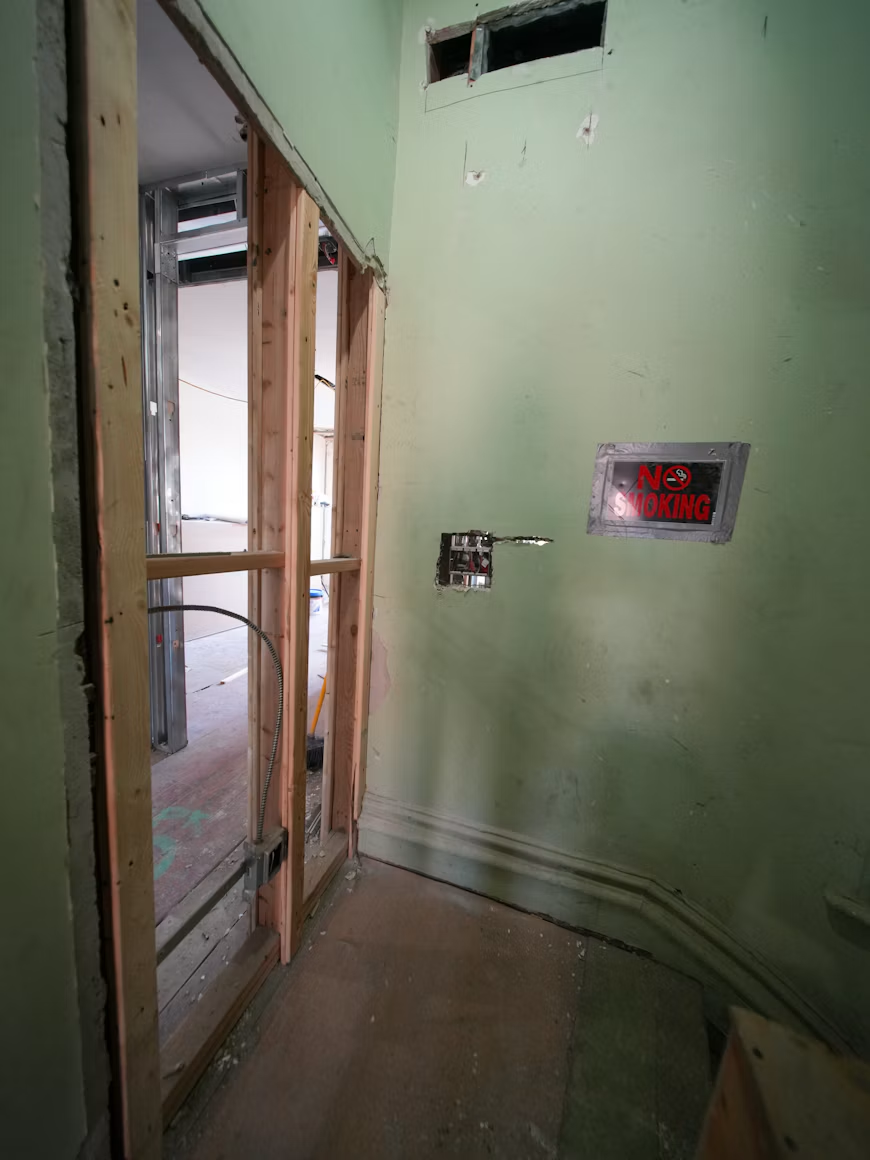
An automatically updated colour in a viewer is not independent confirmation that the work is complete. It represents what the input report says. A site capture can add a different kind of evidence: the conditions visible at a particular location and time.
Keeping those sources distinguishable helps reviewers. They can ask what was reported, what was visible in the latest capture and whether the two refer to the same stage of work. A difference may mean incomplete work, an older capture or an ambiguous report. It needs review rather than an automatic assumption.
Design the review path alongside the automation
For a workflow like this, the useful questions are concrete. Which report produced the status? Which elements were affected? Can the reviewer inspect the original wording? What happens when a location cannot be matched confidently?
Those questions turn a demonstration into a design brief for dependable progress records. The goal is to reduce reconciliation work while keeping the basis of each update understandable.
The June post was a prototype demonstration, not an announcement that DPR-driven BIM updates were generally available in Contineu. Its broader lesson remains relevant: construction information becomes more useful when it is attached to the building context that gives it meaning.