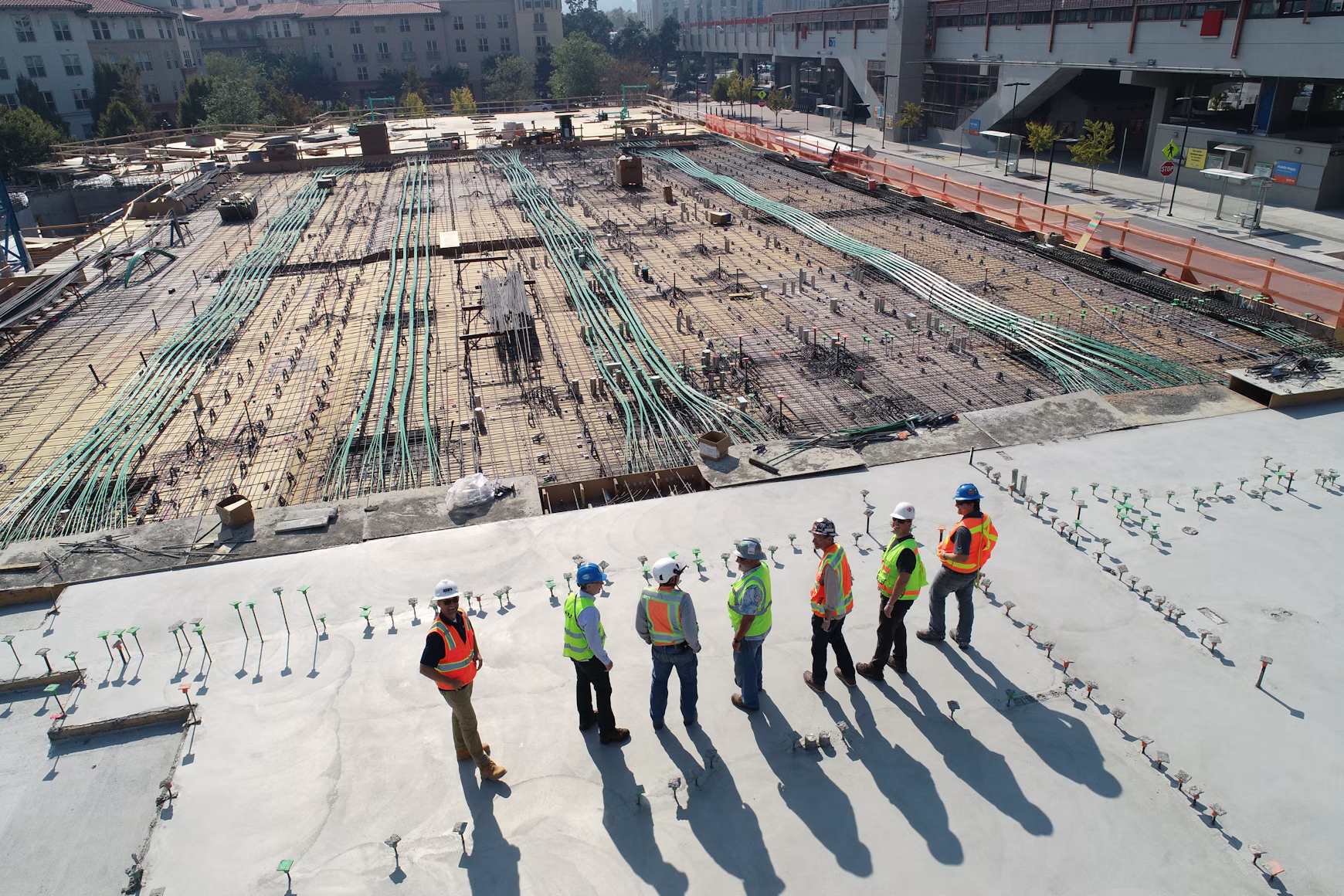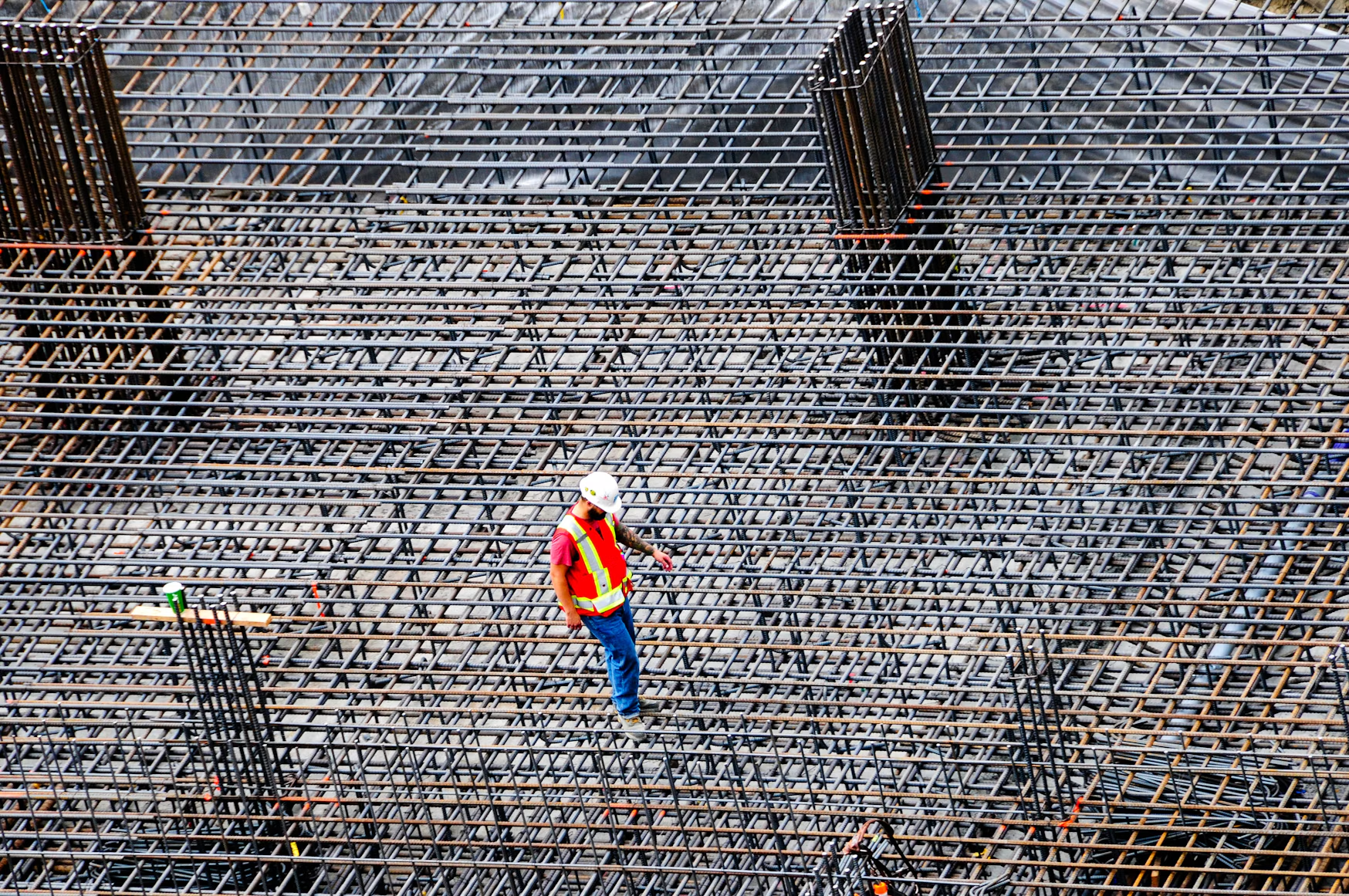
Our first defect-detection model needed something we could not download: usable data from real construction sites. We had spent weeks trying to get access. Without it, the model was going nowhere. So one evening I took an auto along the outer ring road and started marking abandoned buildings on a map.
The dataset started with site access
We returned to the buildings and asked for access. Some people let us in; others did not. The places we could enter had little documentation. Before we could make sense of the scans, we had to create the missing building context ourselves.
We brought a tape measure, walked the rooms and drew the floor plans by hand. Then we scanned the spaces. That combination became part of the data used to train our first defect-detection model.
A model needs more than photographs
It is easy to discuss construction AI as if the main task starts once the images arrive. In the field, even identifying what an image represents can take work. A floor plan gives the capture a location. An inspection gives an observation meaning. Without that context, a large collection of files is still difficult to use.
The early work forced us to pay attention to that relationship. We were learning about the buildings while constructing the record the model would learn from. Measuring rooms and drawing plans were part of building the system, even though neither looked like a conventional software task.
Keep the field connected to evaluation
The same principle applies when evaluating a detection system today. Ask which conditions its data represents and how a flagged observation will be reviewed. A useful result must connect the image, the type of issue and a location someone can return to.
Contineu now supports 220+ defect types, with a stated detection accuracy of 95%. Those figures describe different things: the range of supported observations and detection performance. A project team should still examine relevant examples from its own stage of construction.
The lesson from our first dataset is simple. When the information you need does not exist, collecting and organising it is part of the product work. For us, that work began with site visits, permission to enter and a tape measure.