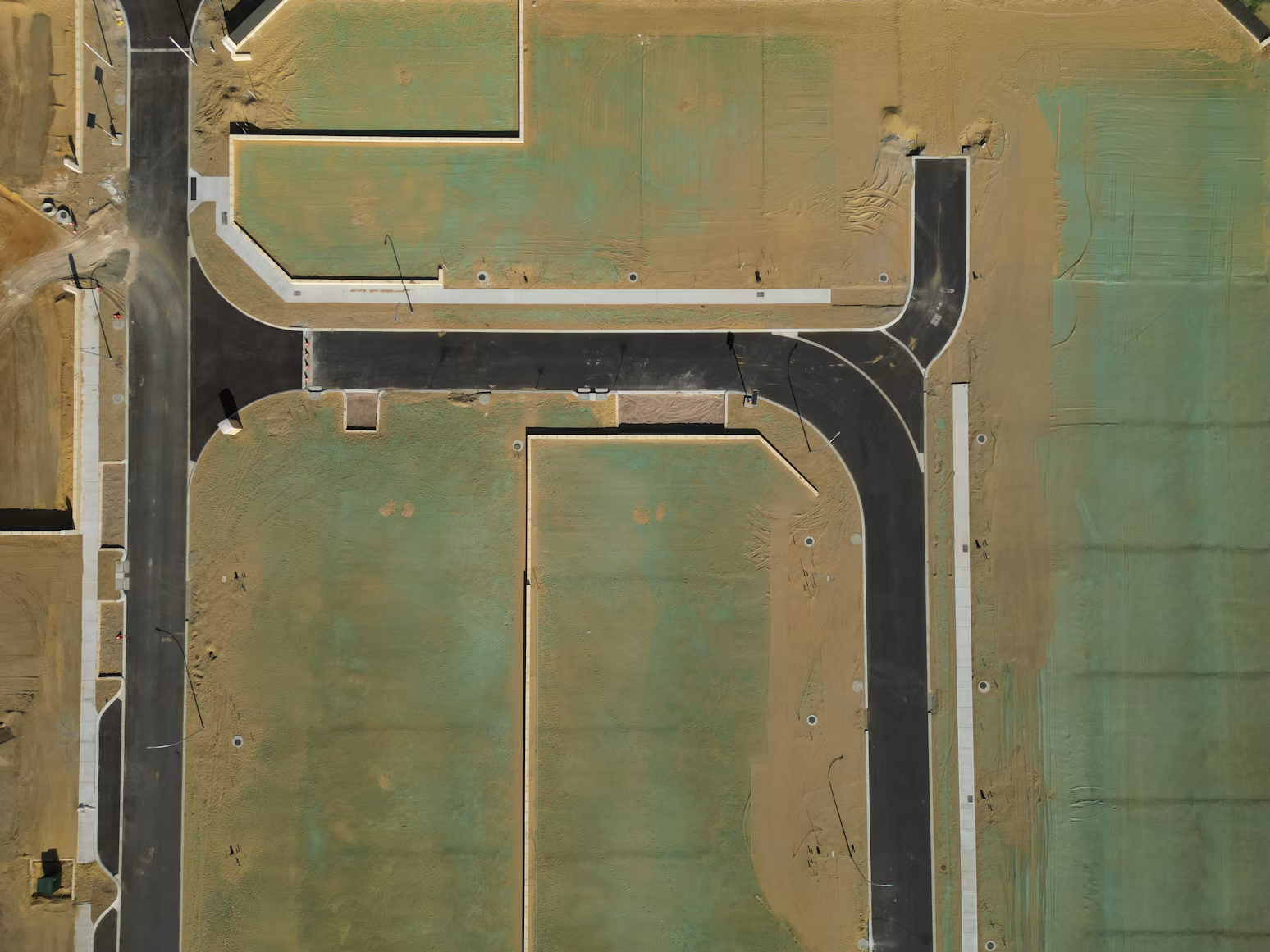
A one-off scan can answer a question about a particular day. A repeatable capture routine can support an ongoing conversation about the site. The challenge is preserving enough consistency that the next record can be understood alongside the previous one.
The deployment context
Contineu's production records show capture activity for Mahindra Lifespaces at Tathawade in Pune and at Alcove. The reviewed records include October 2026 activity at both locations, establishing that the deployment involved live site captures rather than only a demonstration dataset.
Make each capture easy to identify
A useful record identifies the site, building or zone, floor and capture date. These references let a remote reviewer ask a precise question and let the site team return to the relevant evidence. Without them, a growing collection of imagery can become another filing problem.
Repeated capture also benefits from a planned route. Where access or construction conditions change, record the difference. Reviewers need to distinguish an area that was not captured from an area where the visible condition changed.
Connect the record to the review
The next step is deciding who uses the capture and for what purpose. A quality review, a progress discussion and a request for visual context may need different outputs. Agreeing the review purpose keeps the workflow focused on an actual decision.
For an ongoing deployment, retain the relationship between the capture and any observations discussed from it. When a question returns at the next meeting, the team should be able to establish which date and location formed the basis of the earlier discussion.
The lesson for another deployment
Start by defining the repeatable unit: one floor, one zone or another clearly bounded area. Agree the capture routine, the record naming and the review owner. Then assess whether the resulting evidence answers the question the team set out to resolve.
The Mahindra Lifespaces activity illustrates the foundation of that approach: a site-specific record built from actual captures. Quantified effects on inspection time, defect closure or rework require a separate evaluation against agreed project measures.