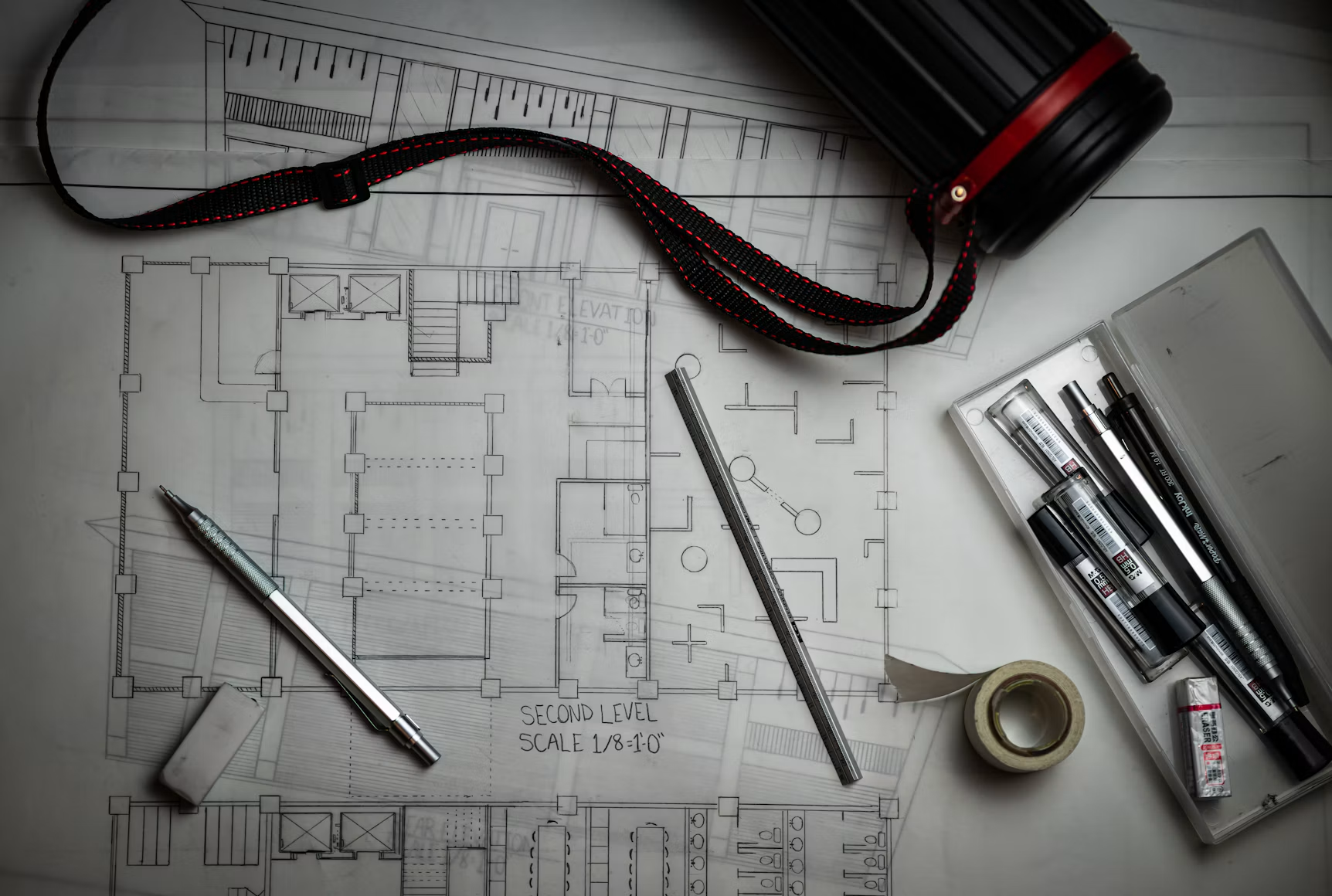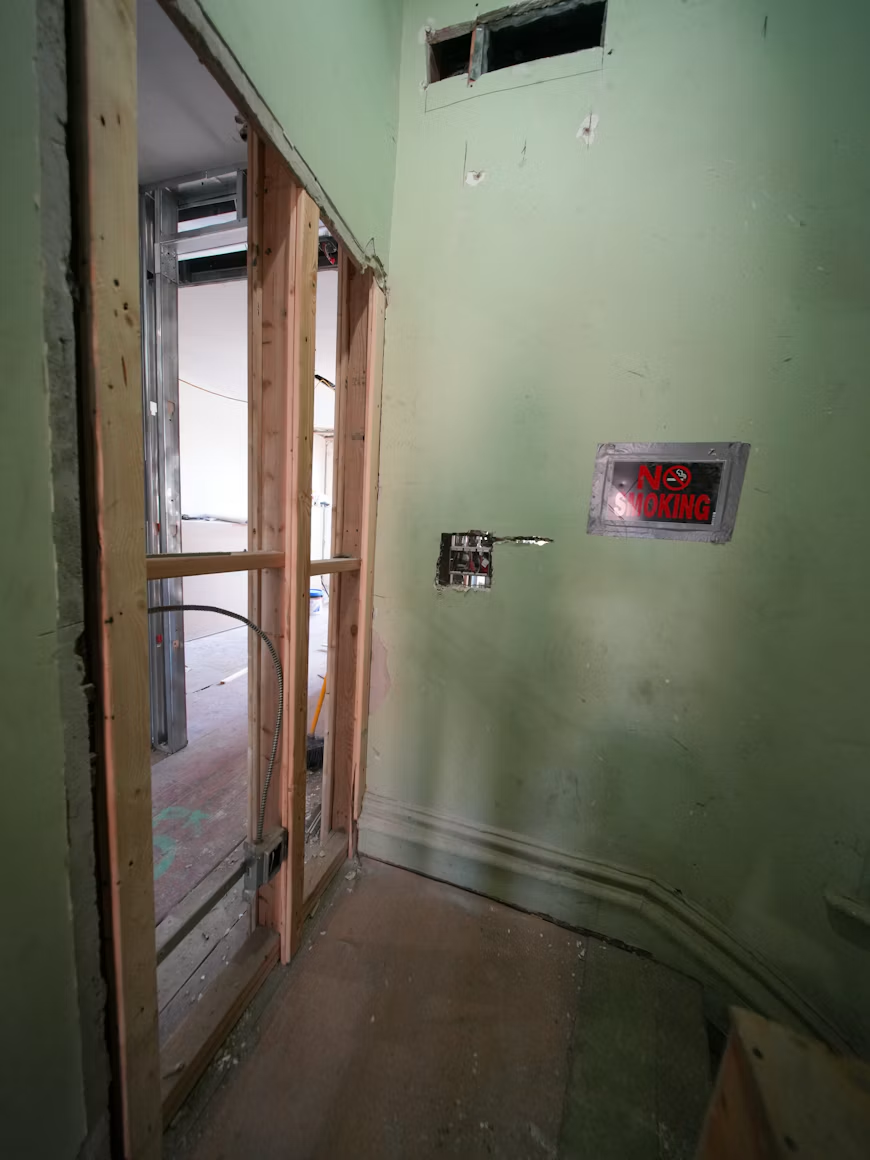
A site record is more useful when its parts remain connected. A floor plan gives location, a panorama gives visual context, and supporting attachments can preserve the detail discussed during a review. Losing the connection between them makes the record harder to use even when each file still exists.
The deployment context
Contineu's records for Pramukh Omkar Group include Auroville and Vibgyor. Production activity documents captures at both projects in September 2026. Subsequent operational work included handling floor plans, tiled panoramas and related attachments.
The evidence supports a case about maintaining the visual record across capture and delivery operations.
Preserve the location relationship
A panorama without a clear location reference leaves a reviewer to infer where it was captured. A floor plan without linked evidence requires another search. Keeping them connected reduces that ambiguity and helps a colleague understand the same area without being physically present.
Attachments should retain enough context to be interpreted later: which site, which floor and which capture or observation they support. This becomes especially important when records move between systems or storage arrangements.
Verify continuity after changes
A record-management change is not finished when files have been transferred. The team should check that the relevant floor plan opens, the panorama is available and supporting evidence remains associated with the intended location.
Use a representative sample across the affected sites and floors. Include records with attachments and records that have been used in previous reviews. That makes it easier to identify broken relationships that a simple file-count check would miss.
The lesson for another deployment
Treat the connections between records as part of the deliverable. Agree the hierarchy, preserve capture dates and verify access after operational changes. When an issue is revisited, the reviewer should return to the same context rather than assemble it again from separate files.
The Pramukh Omkar Group deployment illustrates this practical requirement: durable site evidence depends on both the captured material and the structure that keeps it usable. Measuring its effect on project outcomes is a separate step, requiring agreed baselines and follow-up records.