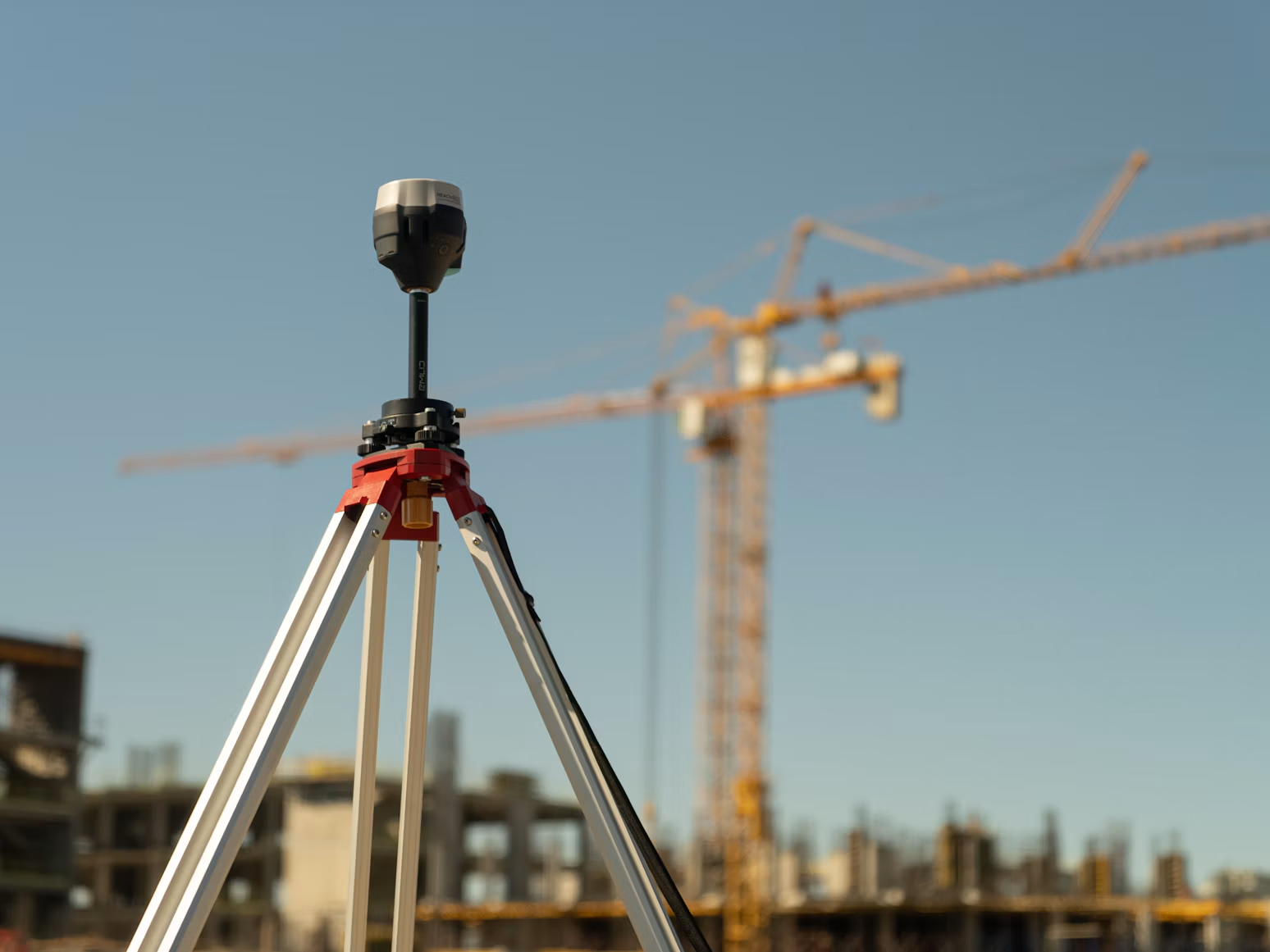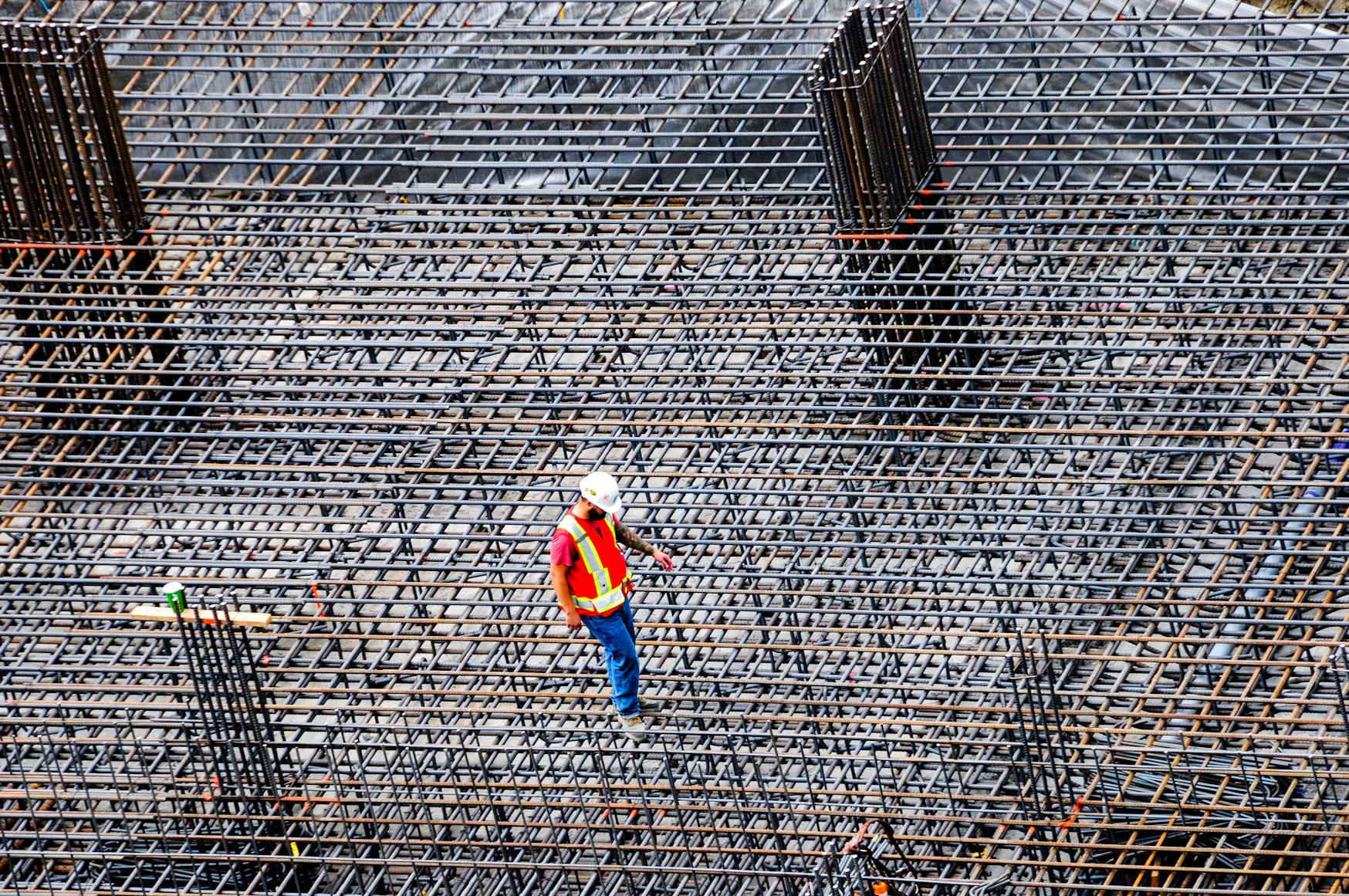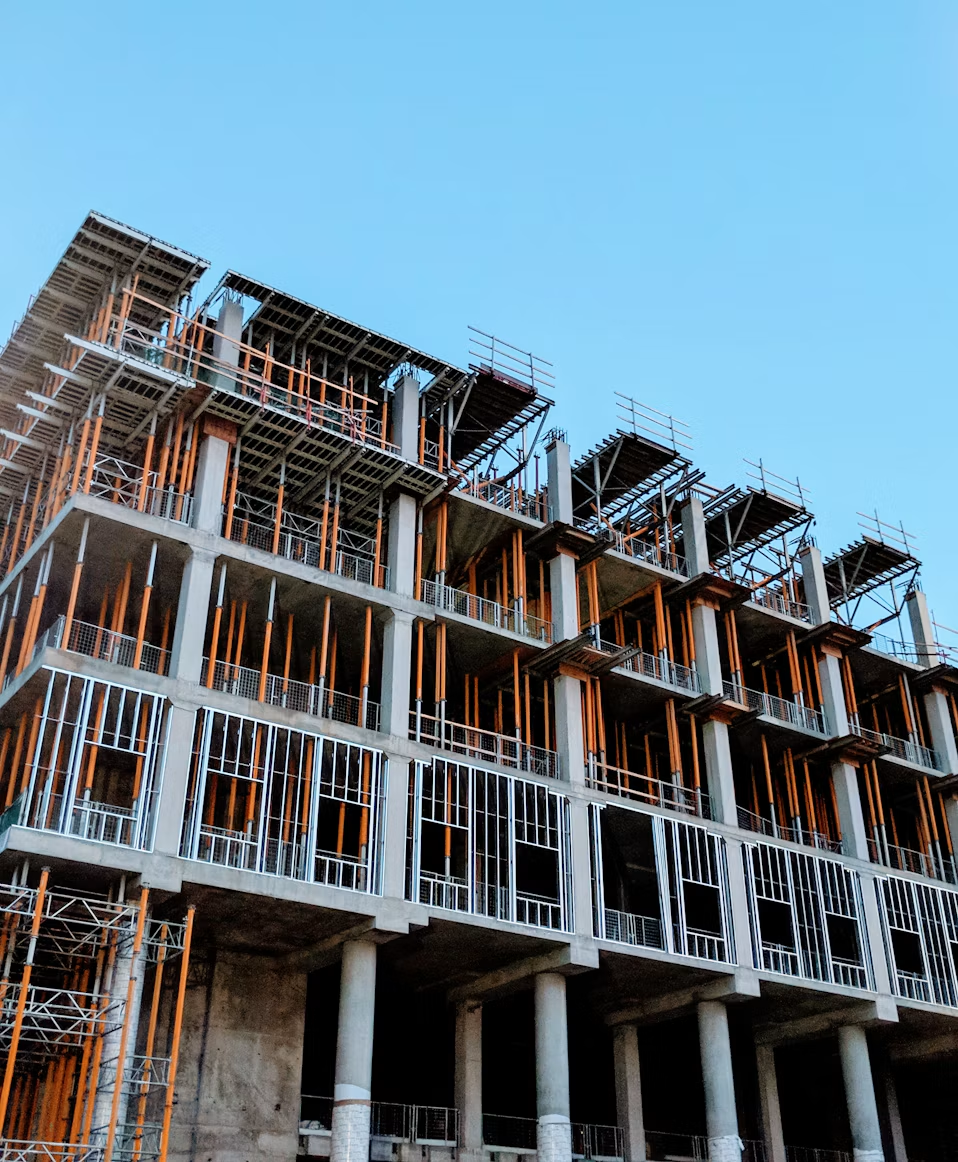
Before I pitched Contineu to an investor or a customer, I showed it to my father. He was getting a factory built in an industrial area near Gujarat, five or six hours from home. Keeping track of it meant calls, WhatsApp photos and trying to assemble a picture of the work from a distance.
Everyone held a different part of the picture
The difficulty was not a lack of people on site. Construction divides work across trades, contractors and supervisors. Each person knows their part. The owner still has to connect those separate accounts and decide whether the project is moving as expected.
I watched my father carry that responsibility. A photograph could answer one question while creating another: where was it taken, what happened around it, and did it show the latest condition? Another call might add context, but the complete record still lived in someone’s head.
A problem I had seen in another industry
I had worked on a related problem in oil and gas, using drones to monitor field conditions. That experience made me ask whether a similar approach could help construction teams understand what was happening on the ground.
When I showed my father the idea behind Contineu, he recognised the problem immediately. He remembered the evenings spent interpreting site photos and asking whether the work matched the drawings. His enthusiasm gave me confidence that we were addressing a need people already felt.
Build a record people can return to
That conversation still informs how I think about the product. Capturing a site is only the beginning. The record needs a location, a date and enough context for someone who was not present to understand it. An observation should lead to a question that can be answered or an action that can be assigned.
For a project leader, the useful outcome is a shared basis for the next conversation. The site engineer, contractor and owner should be able to look at the same evidence, understand where it belongs and see what needs attention.
Contineu began with a frustration I had watched up close. My first pitch worked because the person listening did not need a slide explaining why the problem mattered. He had already lived it.